Showing Up in Southside: Showing Up in Southside How place-based Learning through Giving Together Insights deepens understanding of Economic Mobility in Richmond
January 14, 2026 | Economic mobility is often discussed at a distance — through data, frameworks, and long-term goals. For the 2025 Giving Together Insights (GTI) cohort, understanding mobility required something more immediate. It meant stepping into a place where opportunity, constraint, and resilience are part of daily life: Southside Richmond.
GTI is designed as a deep-dive learning experience for Community Foundation donors. The program exists because the Community Foundation believes that effective philanthropy starts with understanding. The program is designed for donors who want to move beyond transactional giving and engage more thoughtfully with the people, places, and systems shaping life in the Richmond region. By grounding learning in real communities and real work, GTI helps donors build the context and relationships needed to give with greater clarity and long-term impact.
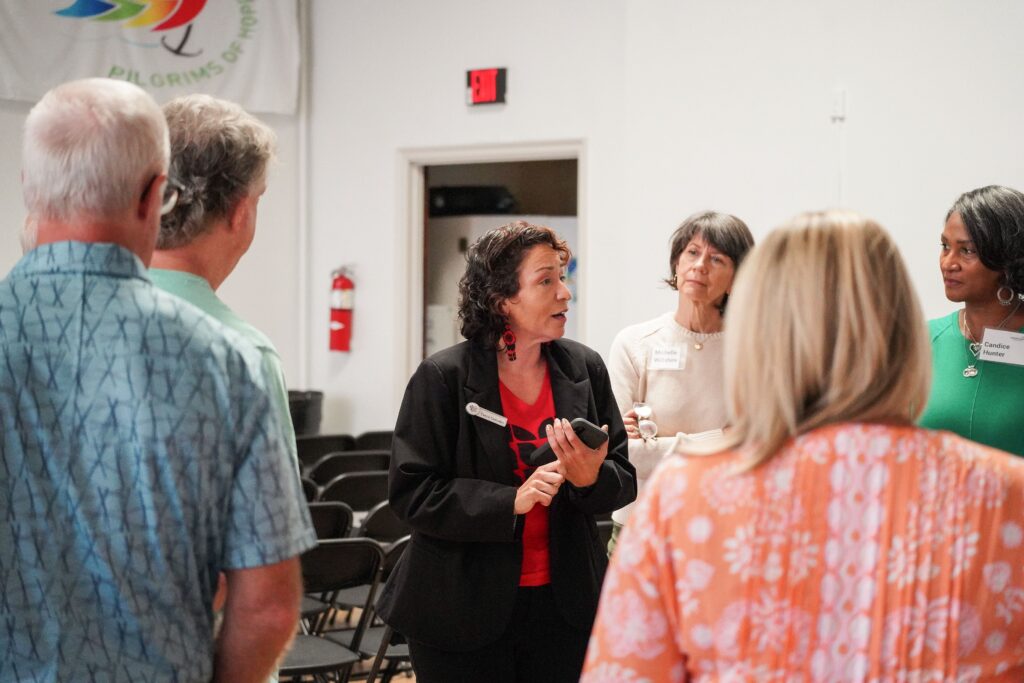
Over six sessions, participants came together to better understand how economic mobility actually shows up in people’s lives. This year, that learning was intentionally rooted in Southside — a part of Richmond shaped by strong community ties, long-standing disinvestment, and a growing network of organizations working every day to support families and build stability.
Southside is home to thousands of households navigating rising housing costs, limited access to transportation, uneven educational outcomes, and health disparities that compound over time. Many families fall into the ALICE category (Asset Limited, Income Constrained, Employed) earning too much to qualify for assistance but too little to build financial cushion. At the same time, Southside is not defined only by challenge. It is also a place of leadership, creativity, and persistence, where community organizations are responding to complex needs with care, coordination, and long-term commitment. Zip code 23224 has the highest percentage of ALICE households in Richmond. For the GTI cohort, this context mattered. It framed everything that followed. Learning about Southside could not have happened from a conference room or a slide deck alone.
Southside as the Classroom
Many participants described the experience as eye-opening: not because they were unfamiliar with economic hardship, but because being physically present revealed a scale and complexity they had not fully understood. Southside felt larger than expected and deeply interconnected. Housing, education, employment, health, and civic access were not separate conversations; they overlapped constantly. What happened in one system often showed up in another, sometimes immediately.
Several of the organizations visited were places donors acknowledged they would not have encountered unless they intentionally sought them out. Being in those spaces, classrooms, community centers, housing offices, parks, changed how the information landed.
“You don’t really understand what a community needs unless you intentionally go there.”
Holding sessions in Southside, rather than at the Community Foundation, shaped how participants engaged. The learning felt more grounded and more honest. It asked donors to sit with complexity rather than rush toward conclusions.
Seeing the Intersections
At Sacred Heart Center, donors encountered economic mobility at its most immediate and human level. Families often arrive seeking help with basic needs — food, navigation, emergency assistance — but remain engaged through longer-term pathways such as ESL classes, GED preparation, leadership development, and youth programming. Nearly 1,000 adult learners participate annually, many balancing work, caregiving, and education at the same time. The work illustrated how mobility rarely moves in straight lines. Progress depends on language access, trust, and the ability to return again and again as circumstances change.
What resonated with participants was how often success looked modest but meaningful: improved English proficiency, a GED exam passed, a child supported through school. These were not quick wins, but cumulative ones — built through consistency and relationships with the organization.
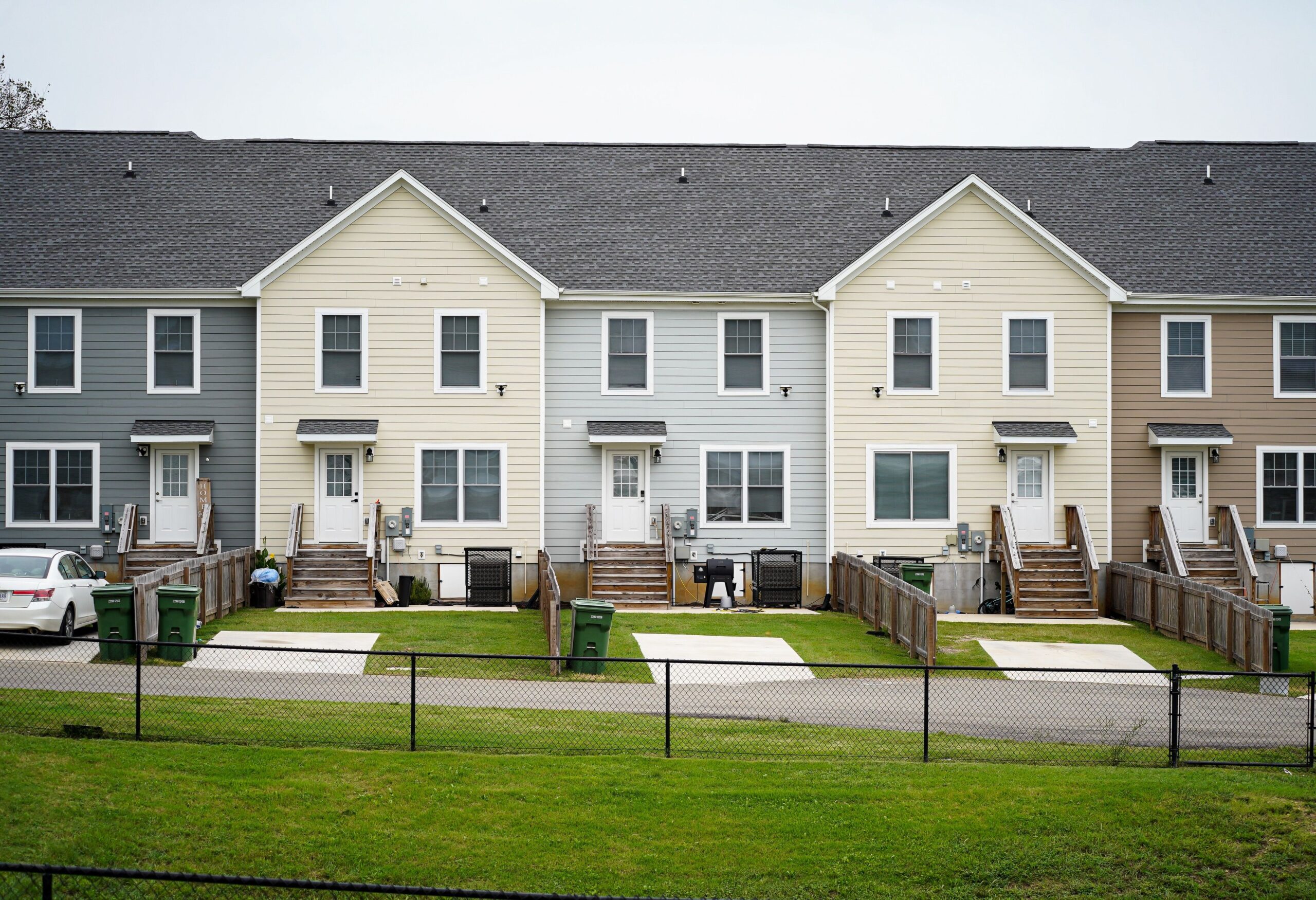
Housing brought a different set of realities into focus. At Southside Community Development and Housing Corporation (SCDHC), donors learned how long the road to stability can be even when someone is employed. Through HUD-approved housing counseling, homeownership education, financial coaching, employment services, and benefits navigation, SCDHC works with families over months, and sometimes years, to prepare them for sustainable homeownership. Credit repair, budgeting, and income stability proved just as essential as access to housing itself. Affordable housing, donors saw, is not only about supply; it is about a family or individual’s readiness, timing, and sustained support.
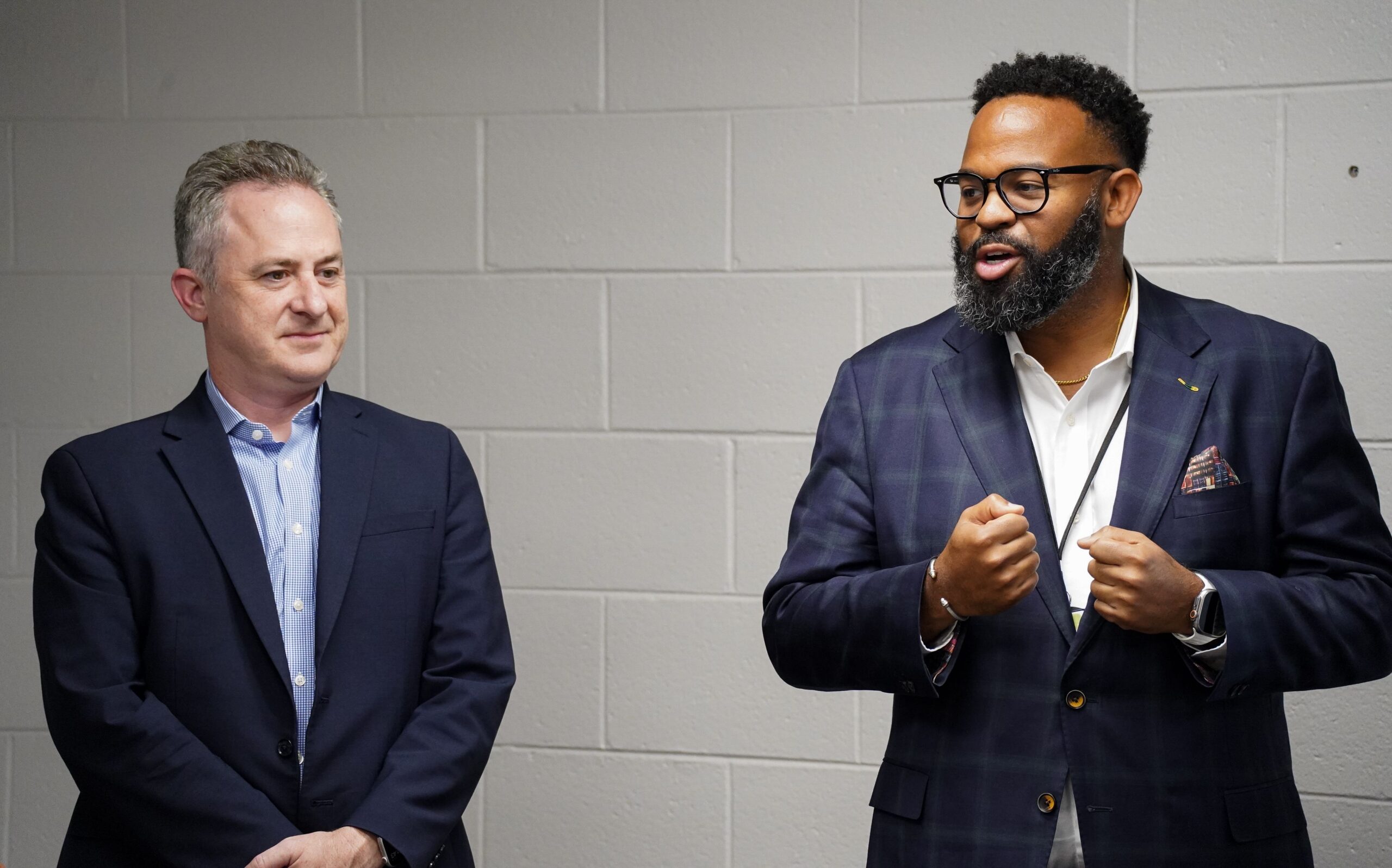
Education and workforce conversations sharpened further with the Richmond Ed Fund and NextUp RVA. The Richmond Ed Fund, an independent 501(c)(3) organization that partners closely with Richmond Public Schools, operates as a venture philanthropy engine — funding innovation that connects education to long-term opportunity. NextUp RVA complements that work outside the school day, coordinating a citywide network of more than 140 afterschool and summer programs for youth ages 11 to 19. Together, they highlighted how access to enrichment, mentorship, and career pathways shapes outcomes well beyond graduation.
One statement anchored the discussion:
“If students aren’t being prepared for jobs that pay at least $23 an hour, they aren’t being prepared for the reality they’ll face.”
The comment reframed education as an economic intervention, not simply an academic one.
Capaz+IT extended that logic into adulthood. Serving immigrant and bilingual communities, the organization focuses on digital skills training, language access, and pathways to meaningful employment. Participants learned how workforce development must account for barriers such as credential recognition and technology access. Many were struck by how much Capaz+IT has built with limited resources — and how fragile those gains can be without sustained investment.
Civic engagement and community power came into focus through Virginia Community Voice (VACV). Donors learned how the organization works alongside Southside residents to ensure community members, particularly those historically excluded from decision-making, have a real voice in shaping priorities for their neighborhoods. VACV’s approach emphasized meeting people where they are, valuing lived experience, and building pathways for residents to participate meaningfully in decisions that affect their daily lives. Compensating community members for their time and insight emerged as a pivotal lesson. Economic mobility, participants learned, is not only about programs or interventions; it is about agency, voice, and who can influence decisions.
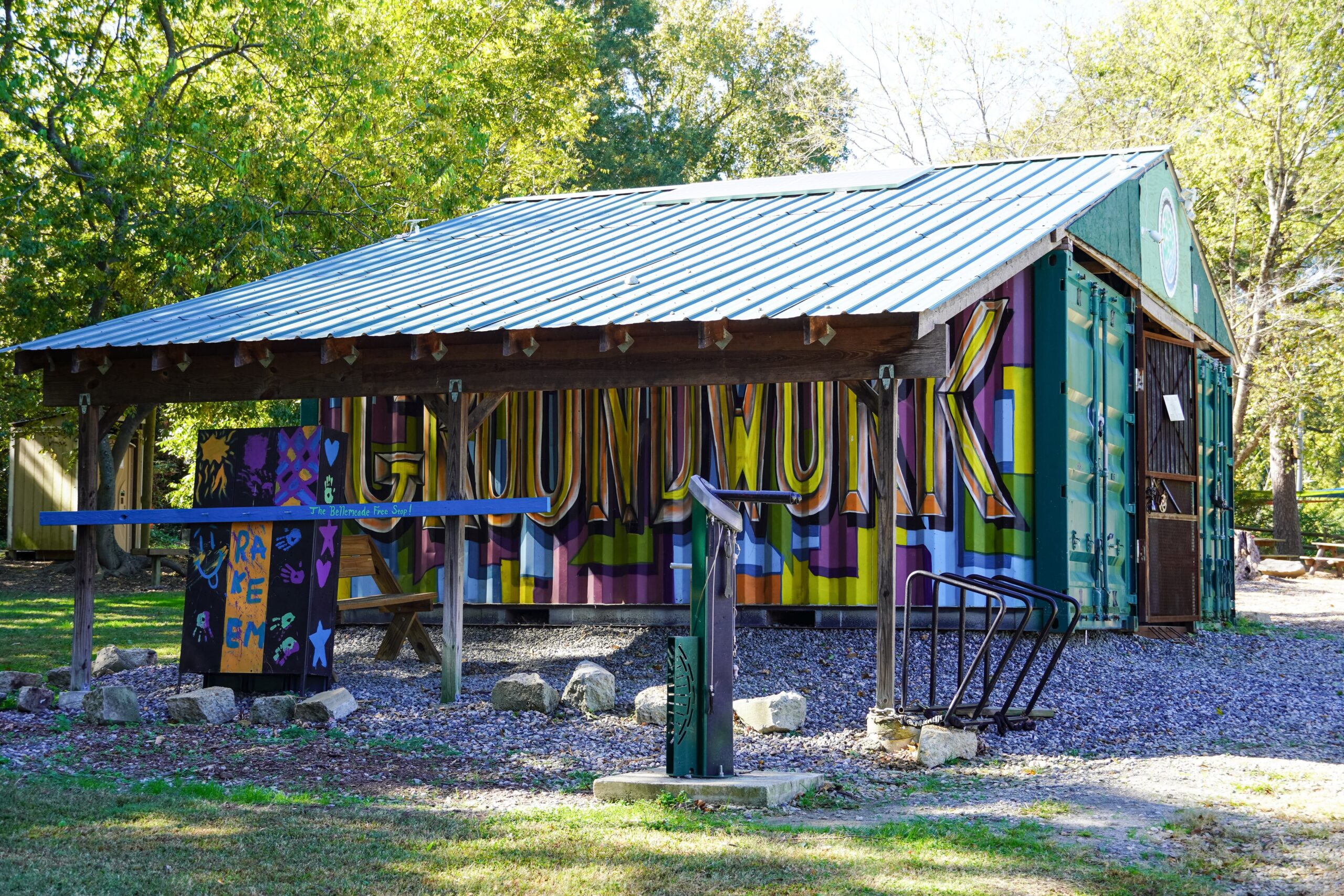
That theme took physical form at Bellemeade Park. What was once an overgrown lot is now a thriving green space shaped over decades by Robert “Mr. Bob” Argabright and a network of volunteers. Donors saw howenvironmental access, youth engagement, and simple consistency — showing up day after day — create conditions for learning, belonging, and pride. The park made tangible what long-term commitment looks like when it is rooted in place.
Across each visit, the same realization surfaced in different ways:
“Imagine what’s possible when organizations working across housing, education, and workforce are aligned to affect policy and systems change.”
No single organization was presented as the solution. Instead, donors saw how progress depends on how these efforts reinforce one another.
Learning, Together
As the sessions progressed, the cohort’s learning became cumulative. Early conversations focused on understanding context and absorbing information. Later discussions reflected comparison and connection. What donors learned at Sacred Heart shaped how they listened at Capaz+IT. Insights about housing readiness resurfaced during conversations about education and workforce development. Lessons about community voice and participation reframed how participants thought about systems more broadly
Questions changed, too. Early inquiries sought clarification. Later ones grappled with tension: how to support organizations doing complementary work, how to think about timing and scale, and how to hold multiple needs at once without oversimplifying any of them.
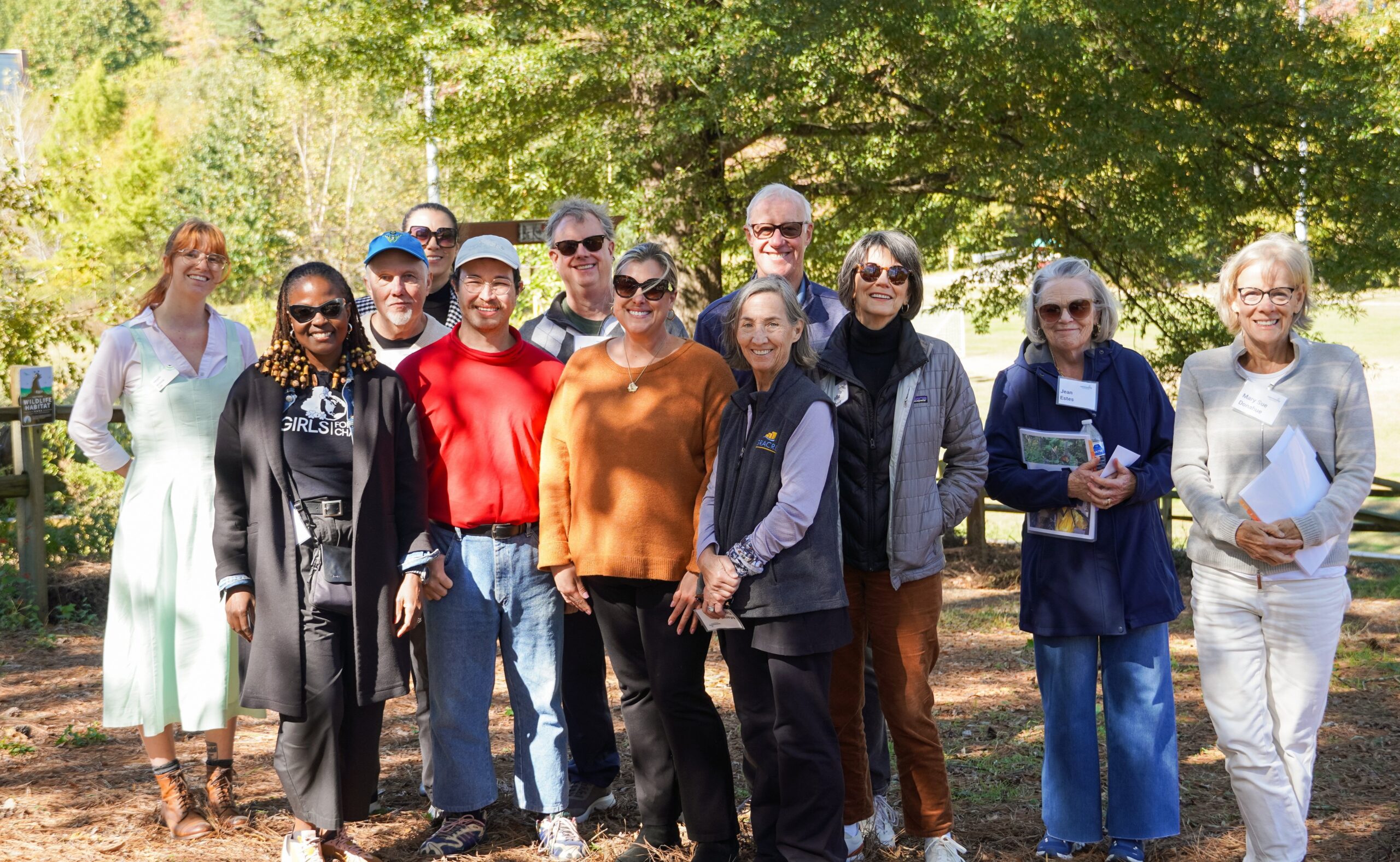
Different learning styles emerged. Some participants valued the ability to observe quietly, taking in information without drawing attention. Others leaned into dialogue, asking probing questions, and offering reflections. What united the group was curiosity and a willingness to remain open — to learn without needing immediate resolution.
By the end of the program, the most common takeaway was not certainty, but clarity. Clarity about how interconnected these challenges are. Clarity about how long meaningful progress takes. And clarity about the level of coordination and investment required to move the needle in lasting ways.
From Learning to Engagement
The GTI experience did not offer easy answers. It offered a clearer understanding of what economic mobility looks like in practice — and what it asks of those who want to support it.
Programs like Giving Together Insights reflect how the Community Foundation supports donors who want to engage more deeply with their community. For some, that means learning alongside organizations and residents. For others, it means volunteering, asking better questions, or continuing to explore how different systems intersect.
Donors interested in future Giving Together Insights cohorts can speak with their Philanthropic Advisors to learn more. Readers looking to stay connected can explore opportunities through CFengage to volunteer with Southside organizations and continue learning about the issues shaping the region.
Southside did not present a single solution. It offered perspective. For the 2025 GTI cohort, that perspective marked the beginning of deeper understanding, continued learning, and more informed engagement.