MLK Day of Service 2026: Building Community, Together
February 17, 2026 | Each January, the Community Foundation joins communities across the country in honoring Dr. Martin Luther King Jr. not only through remembrance, but through action. MLK Day is a Day On, not a Day Off, and this year’s observance reminded us that community is not something we inherit. It is something we build together through connection and service.
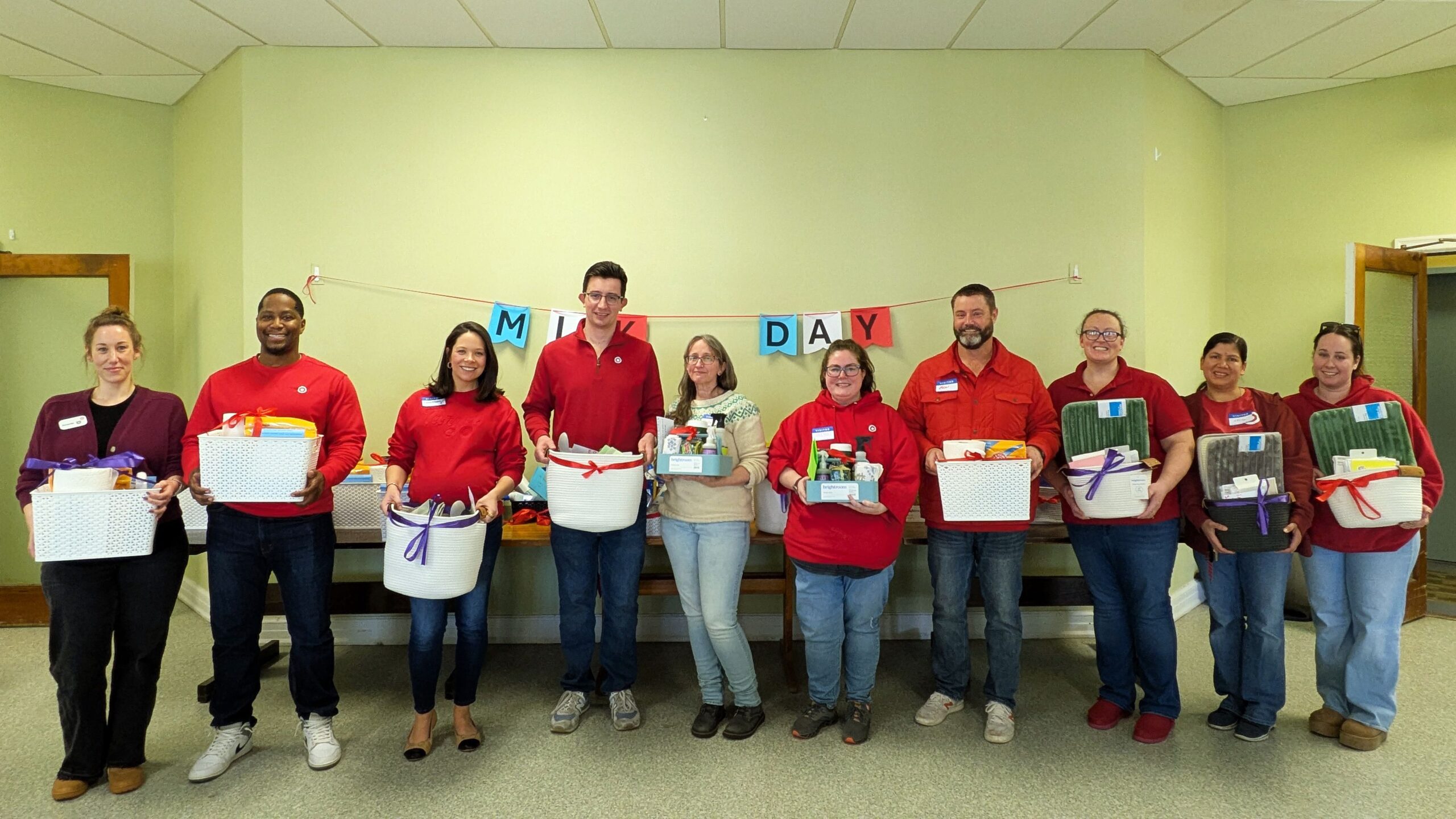
In a year marked by challenge and uncertainty, the Richmond region responded with intention and care. Across 23 volunteer projects, volunteers and community members came together, generating 838 meaningful connections throughout the region.
With generous support from Target, $8,500 in mini-grants were awarded to nine organizations to strengthen and expand their MLK Day initiatives by ensuring projects were community-led, accessible, and impactful.
Investing in Community Leadership
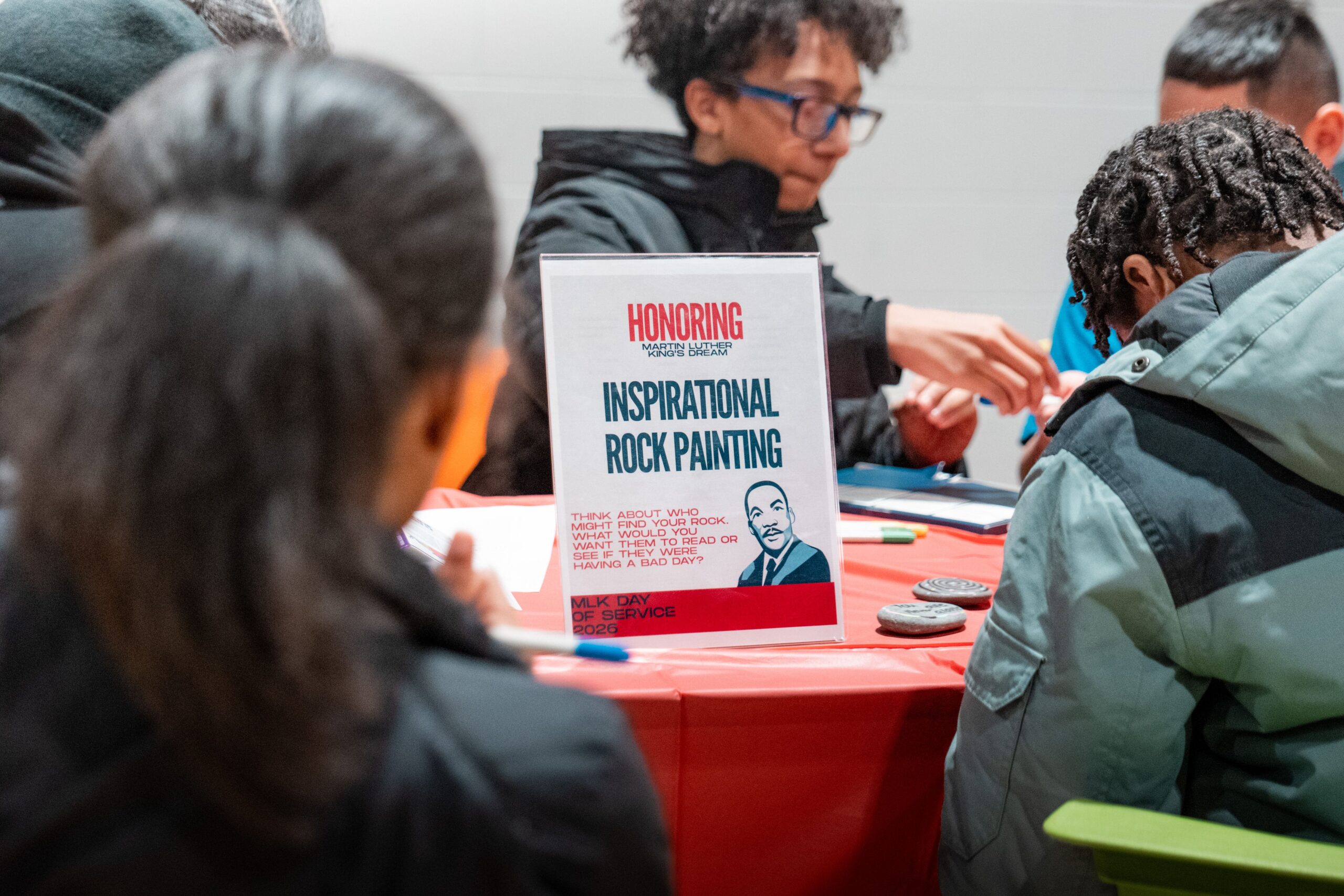
The MLK Day of Service mini-grants did more than fund projects, it expanded nonprofit capacity and deepened volunteer engagement as well. By removing barriers and scaling efforts, organizations were able to create meaningful opportunities for volunteers to connect directly with the communities they serve.
Jade Tabb of the Boys & Girls Clubs of Metro Richmond shared:
“This mini-grant served as a critical launching pad, allowing us to once again engage individual volunteers, something we had not been able to do since 2020. Without this grant, our projects would have been completed on a much smaller scale and limited to a single location. Thanks to this support, we were able to expand our reach and ultimately double the number of children who received the final products.”
From assembling essential kits and organizing pantry spaces to enhancing outdoor learning environments and restoring green spaces, the projects reflected a shared commitment to care, partnership, and impact.
Service as Connection
At the City of Richmond’s Forest View Cemetery Preservation Workday, volunteers supported preservation efforts at a historic African American cemetery dating back to 1898 proving to be an effort rooted in remembrance and shared responsibility.
Priscilla Wright of the City of Richmond Department of Parks, Recreation, and Community Facilities reflected:
“Volunteers weren’t just focused on completing tasks; they took time to ask questions, learn the site's history, and be present in the space. That level of care felt especially aligned with the spirit of Dr. King’s legacy.”
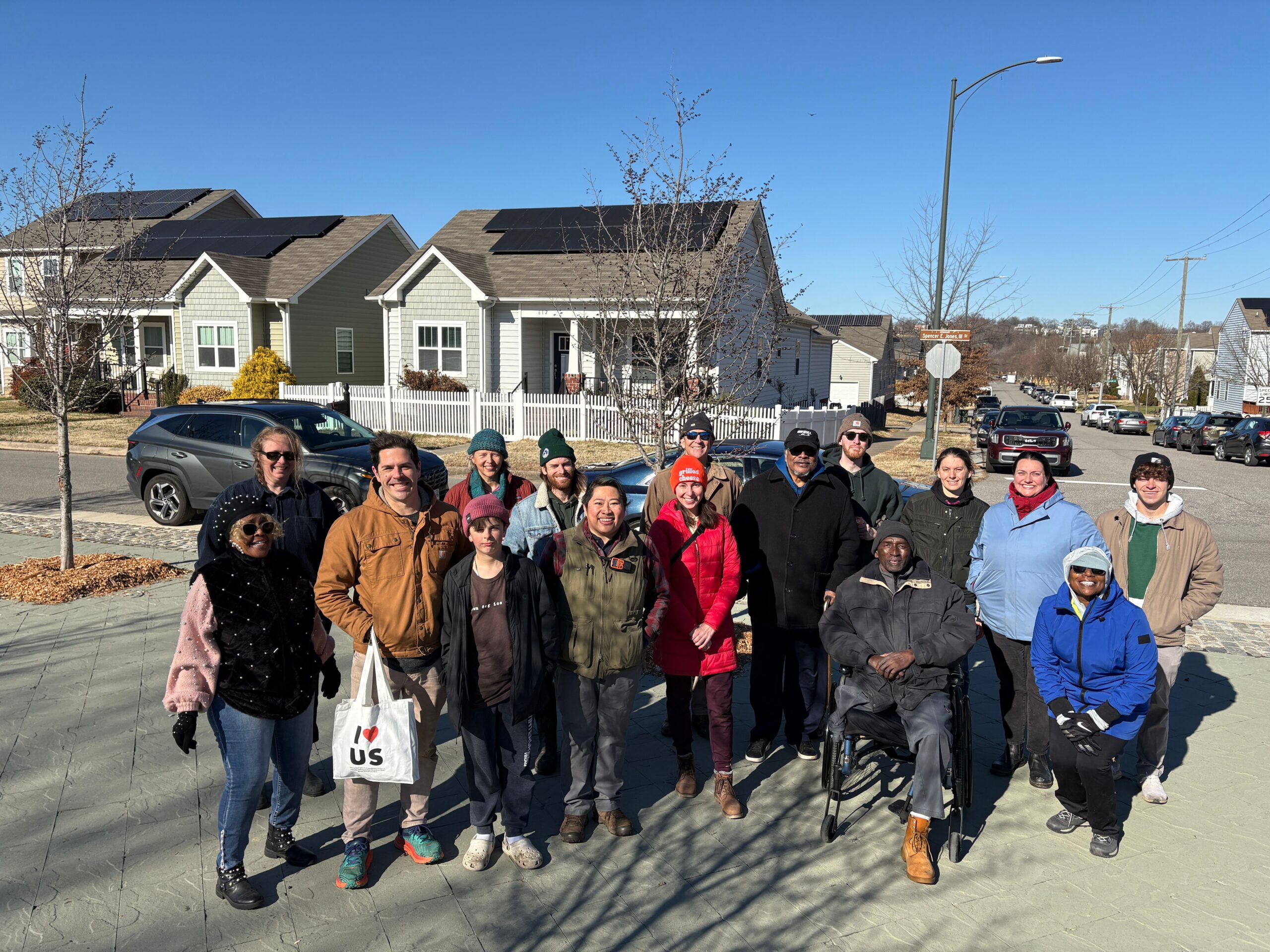
She noted that community-based volunteerism not only extends capacity, but builds shared ownership and ensures preservation efforts continue beyond a single day.
For volunteer Haiden Hopper of He She Ze & We, the experience was equally meaningful:
“Our staff chose to volunteer on MLK Day to honor Dr. King’s legacy of service and unity and were excited about this unique opportunity: supporting restoration efforts at Forest View Cemetery, a historic Black cemetery with at least 117 graves dating back to 1898 or earlier. While our hands-on work was a small part of a much larger effort, the experience was deeply meaningful. I left feeling grateful and inspired to have witnessed, learned from, and contributed to reclaiming this important piece of history.”
Together, these reflections point to a simple truth: when people serve alongside one another, community becomes tangible. Volunteers are not only completing projects, but are also learning, connecting, and carrying forward the stories and spaces that shape our region.
A Living Expression of the Beloved Community
Dr. King envisioned the “Beloved Community” as a society grounded in justice, shared responsibility, and authentic connection. This year’s MLK Day of Service brought that vision to life.
As Gail Cavallaro, Director of Civic Engagement, shared:
“This year’s MLK Day of Service reaffirmed the powerful message that MLK Day is a Day On, not a Day Off! The Richmond Region came together in impressive numbers, with numerous nonprofits hosting a wide range of projects that attracted dedicated volunteers eager to serve. The essence of Dr. King’s ‘Beloved Community’ was vividly demonstrated as our region exhibited its collective commitment to care, shared responsibility, and authentic connection.
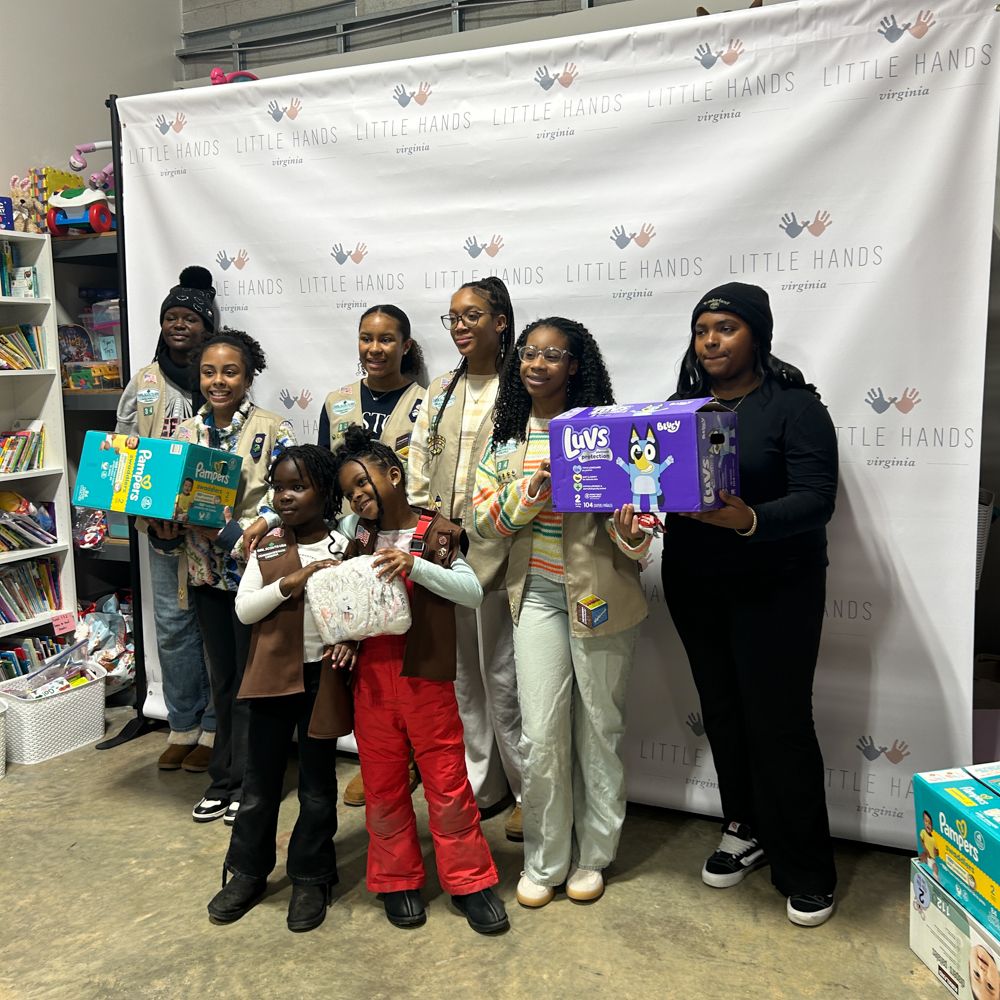
From packing essential kits containing food, blankets, and diapers, to enhancing interior spaces for improved programming to transforming green spaces through cleanups of an historic African American cemetery, public parks, walking trails, and neighborhoods, each initiative highlighted our community’s resolve. Furthermore, several projects focused on advocacy, reinforcing a unified commitment to creating lasting change.
Witnessing the tremendous outpouring of support was truly inspiring, as it reflected a collective aspiration to build a vibrant, inclusive future for Richmond.”